
Upstate Who?
You couldn't afford this if it was Upstate New York
Friday September 26

On the Market
Three Listings Worth Seeing
200 Cameron Avenue - built in 1917, this stunning farmhouse, complete with guest cottage and pool house, sits on 2.5 acres (with an option to purchase the 2.3 acre lot next door). In North Carolina, an approachable $970k, in New York, fogeddaboudit.
393 Moltonville Road - this home used to be a train station (🤯), now it’s a 2,100 square foot home sitting on almost 8 acres. If you’re looking for one-of-a-kind, this is it.
368 Hopewell Road - the largest home featured this week, this 3,000 square foot “rustic farmhouse” has a charming, unassuming interior with beautiful original doors, beadboard panelling, and a backporch made for drinking sweet tea.
What makes something good quality?
In last week’s newsletter, I mentioned investing in quality when purchasing “high-touch” items, but then I thought, how can I help you better understand what makes something good quality?
Here’s the breakdown:
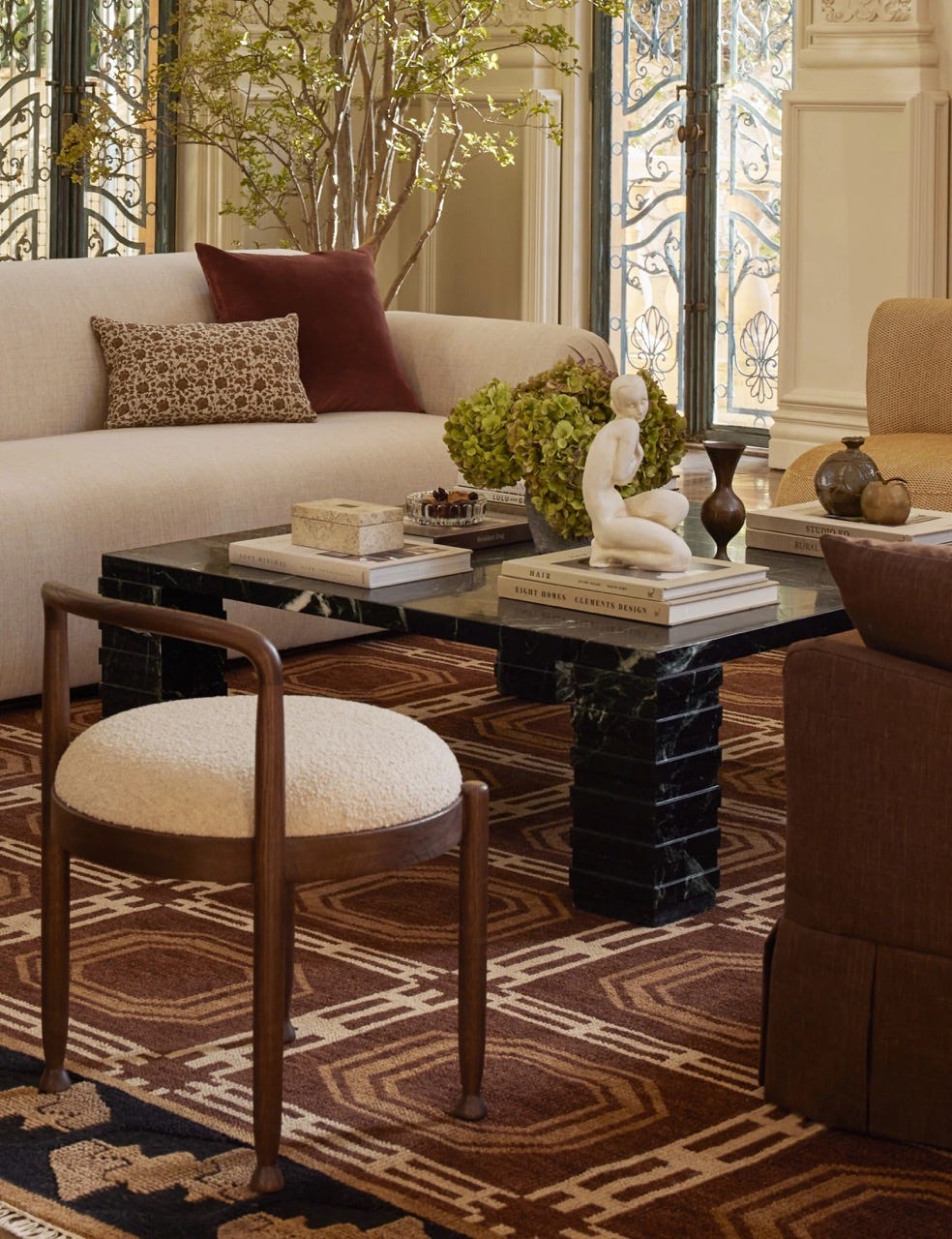
→ It has integrity. It isn’t veneer that looks like wood, it’s wood. It isn’t metal that looks like wood, it’s metal. It isn’t quartz that looks like marble, it’s marble. Buy the real deal. And if you can’t afford the real deal, buy something else that is what it is but is made well, like granite that is just granite, or quartz that just looks like quartz.
→ It uses as few materials as possible (with the exception of recycled items). This goes back to integrity. You want a material that has been fortified (as with recycling) vs hacked into pieces and glued together. Solid is best (and typically heavier).
→ It has great warranties. If it comes with a lifetime warranty, that’s probably because the manufacturer doesn’t think you’ll have issues with their product. If it comes with a great warranty, it’s likely a better product.
→ It is a product of great craftsmanship. Where was it made, who made it, and how did they make it? Buying something someone lovingly took the time to make with great pride, means you are likely getting a product that is built and designed thoughtfully, functionally, and with beauty in mind.
One Good Thing
The relationship between items in a room is, I’d venture, around 70% of what makes a room work. Everything altogether is creating a conversation, if you will, and thus, needs to be coherent in order to be understandable and pleasant to your eye. Here’s one example you can save for later:
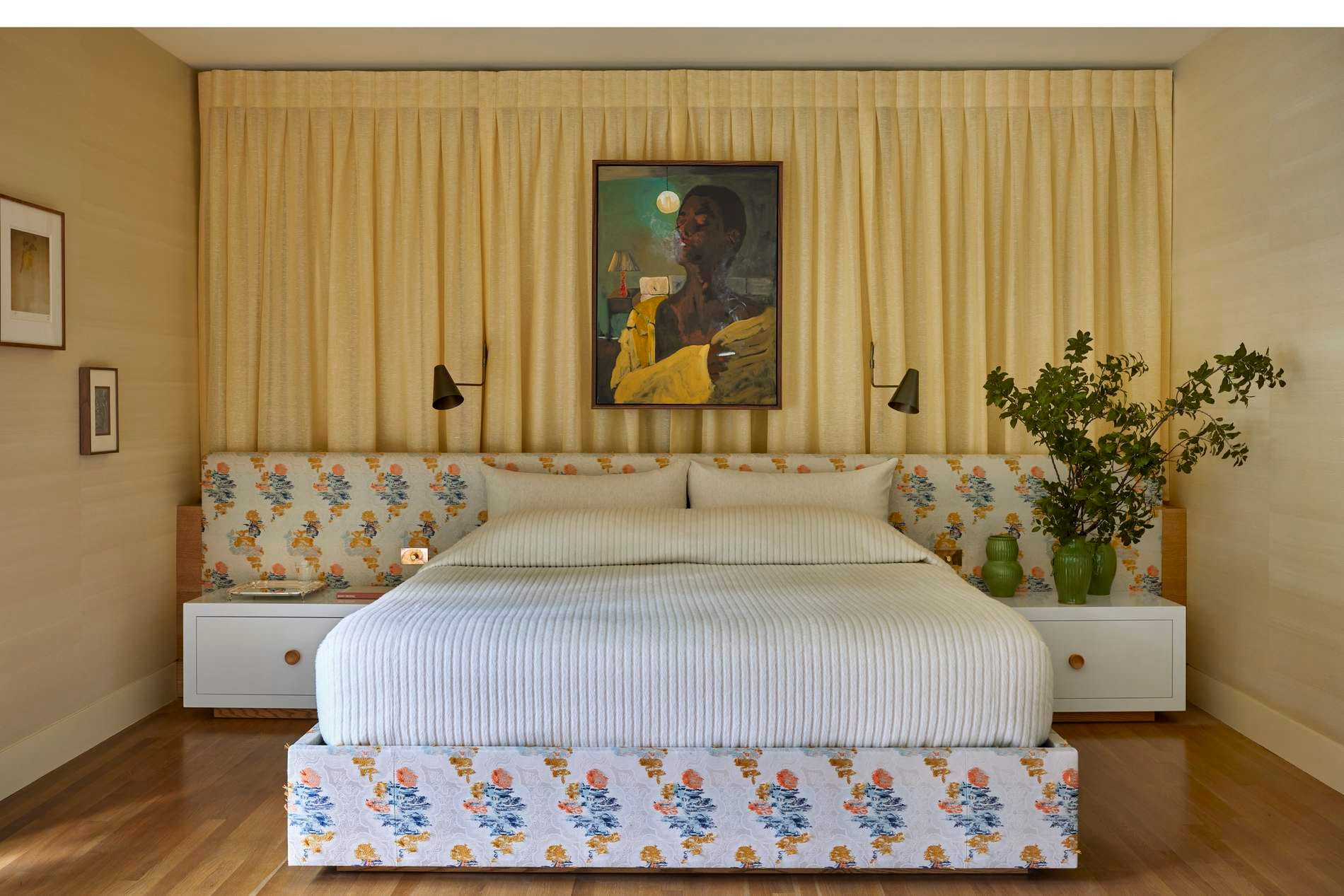
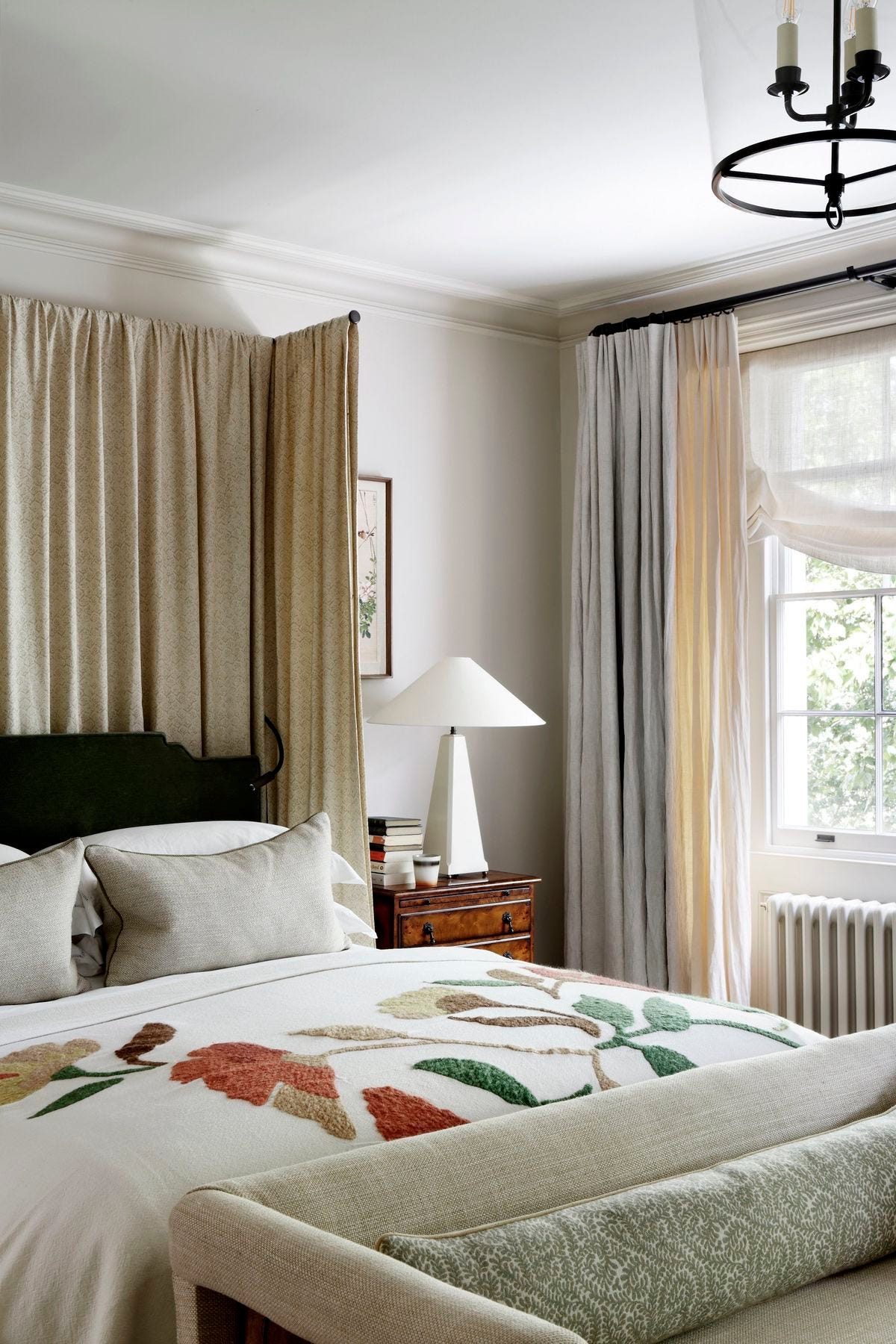
In your bedroom, aim to have nightstands that hit at or very close to where the top of your mattress hits. Slightly taller than the mattress is fine, but too low is tricker (but not impossible) to pull off.
Pictured: Top - A bedroom from Geremia Design, where the nightstands sit significantly lower than the top of the mattress, but are tied in visually through the headboard and given height through thoughtful decor. Bottom - A bedroom from Christian Bense, where the nightstand/dresser is taller than the mattress, but ceases to be the tallest item in the room. The added height from the lamp, art, and of course the bedframe itself, help the taller nightstand sit comfortably within the greater landscape of the room.
Signing off for this week! If you’re looking for more, check out the blog, the podcast, or find us on Instagram and Pinterest.